
Raytheon, Germany’s Diehl eye team-up on European Stinger coproduction
Diehl noted that assessment of “various options for increasing production capacity, both at existing sites and possibly other locations,” is already underway.
Diehl noted that assessment of “various options for increasing production capacity, both at existing sites and possibly other locations,” is already underway.

Both companies told Breaking Defense that they have responded to the service's recent “request for solutions brief” but remain tightlipped on the path forward.

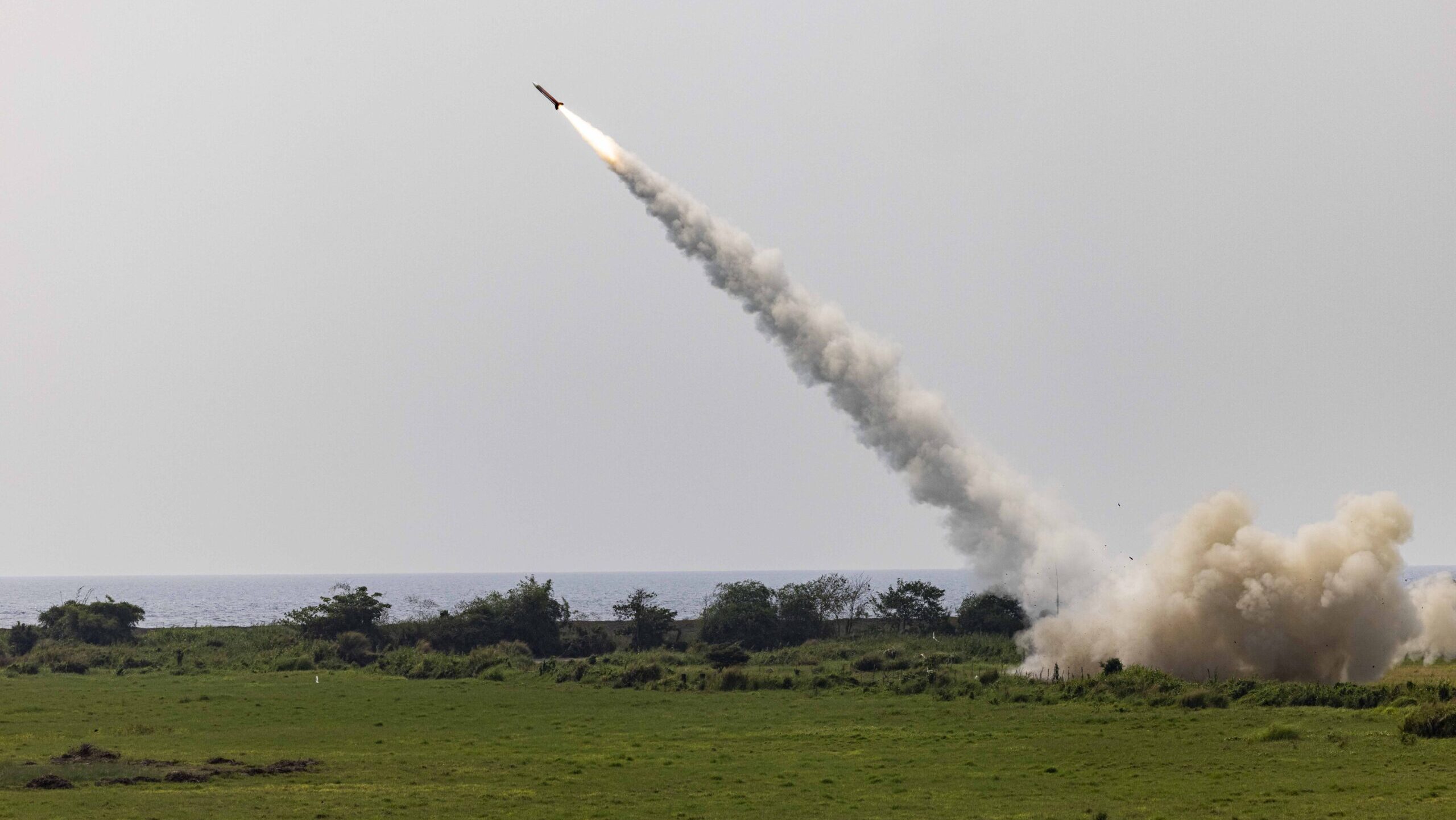
Maj. Oleh Shyriaiev, Commander of Ukraine’s 225th Separate Assault Battalion, told Breaking Defense that Washington opening up deep strikes into Russia gives Ukraine a "chance" at victory.

Executives from both Lockheed and Raytheon indicated interest in building a space-based interceptor, and hinted at their broad approaches to Golden Dome.

"If we can build this better, faster, cheaper, both sides should be rewarded for that," said Bryon Hargis, Castelion’s founder and CEO.
Shield’s “Hivemind” autonomy software will go on an undisclosed “operational weapon,” while Shield’s ViDAR sensor software will go on Raytheon’s MTS multi-sensor turret to help in tracking and targeting incoming enemy drones.
Michigan’s defense ecosystem and expertise makes it a special asset for production.
The heavy variant would be based on a Palletized Loading System and fire either Tomahawk or PAC-3 missiles, while the medium-class launcher would use an FMTV to fire Multiple Launch Rocket System munitions or AIM-9X interceptors.

At Paris Air Show, US executives said they see multiple paths for enlarging their share of the European defense market, including coproduction deals, mergers and acquisitions, and the creation of European-based subsidiaries.


Enhancing combat-proven systems with new capabilities to address evolving threats can meet demand.
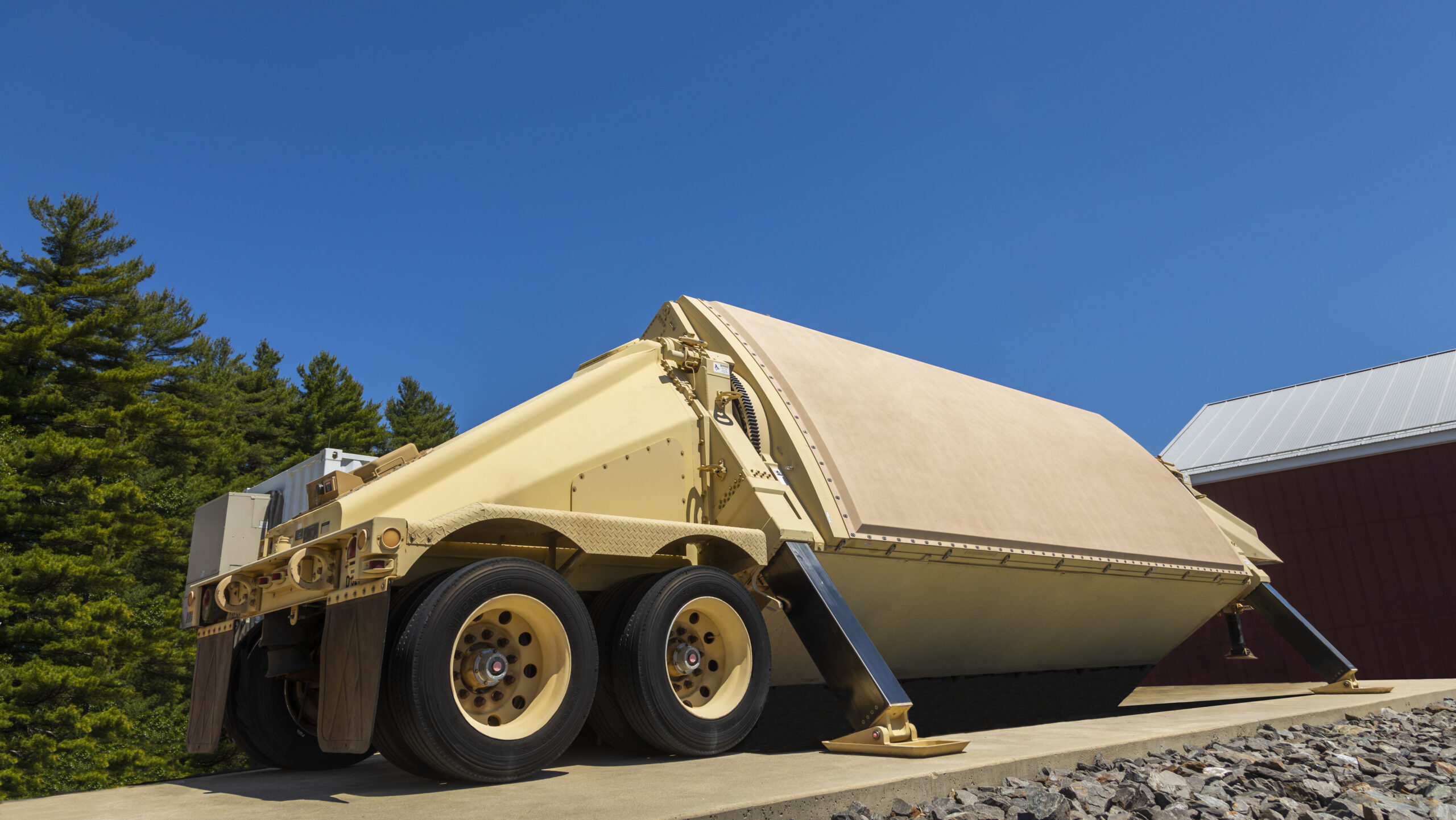
The upgraded AN/TPY-2 radar uses a Gallium Nitride semiconductor that allows it a longer range, enabling an interceptor to launch early enough to hit a hypersonic missile before its starts maneuvering, according to the company.


Cybersecurity skills must evolve in near-real time as Zero Day threats continue and AI provides new challenges.

The US Mission to the UAE said that the term sheet signing was an "exciting step" and that the coproduction "strengthens the security of our countries and enhances our economic cooperation."

Under the contract, the companies will “verify design requirements and specifications” for the Mk 72, which is used on the Navy's Standard Missile.

The demand for rocket motors for missiles is acute, with steps being taken to expand domestic production that includes more international cooperation.

The team, which includes Forterra and Oshkosh, used the Project Convergence Capstone 5 experiment to fire a Joint Reduced Range Rocket training round that is currently in source selection.